
A well-designed home is not only about furniture, paint colours or decorative features. The materials used on floors, walls and outdoor surfaces have a major influence on how a space looks and feels. Natural stone is particularly effective when the goal is to create an environment that feels welcoming, refined and connected to the outdoors. Travertine has remained a popular choice because its natural patterns and warm shades bring character without making a space feel overly formal.
For homeowners planning a renovation or a new building project, choosing the right travertine tiles sydney can be an opportunity to introduce natural texture while keeping the overall design balanced. From soft ivory surfaces to warmer beige tones, travertine can complement contemporary interiors, traditional homes and outdoor entertaining areas. The key is understanding which finish, colour and application will work best for the property.
Sydney homes often combine indoor comfort with outdoor living. Patios, courtyards, balconies and pool areas can become natural extensions of the main living space when their materials and colours are selected carefully. Travertine offers a versatile design option for these settings, but a successful result depends on more than appearance. The surface, installation method, maintenance requirements and intended use should all be considered before making a final decision.
Why Travertine Continues to Appeal to Homeowners
One of the strongest qualities of travertine is its natural appearance. Unlike manufactured surfaces that repeat the same printed pattern, genuine travertine contains individual variations in tone, texture and mineral detail. These differences give each installation a distinctive character. A floor can feel more organic, while an outdoor entertaining area can gain a relaxed atmosphere that works well with greenery, timber furniture and neutral landscaping.
Travertine also offers considerable design flexibility. Lighter shades can make compact rooms feel more open, while beige and cream tones create a comfortable visual connection between indoor and outdoor areas. Silver and darker variations can introduce contrast in spaces with contemporary finishes. Instead of choosing a material that dominates the room, homeowners can use travertine as a subtle foundation for other design elements.
Understanding the Difference Between Travertine Tiles and Pavers
Although the terms are sometimes used interchangeably, tiles and pavers are generally selected for different applications. Travertine tiles are commonly used for interior floors, bathrooms, feature walls and other areas where the material is installed over a prepared, stable surface. Their thickness and finish should match the requirements of the room, including moisture exposure and expected foot traffic.
Pavers are designed for outdoor applications and are generally thicker to suit appropriate paving installations. They can be used for patios, garden paths, courtyards and pool surrounds, depending on the product specification and installation system. Choosing the correct format matters because an attractive stone will not perform as expected if it is installed in an application it was not designed for. Always confirm the recommended use, thickness and installation requirements with the supplier before purchasing.
Selecting Colours That Work With Sydney Home Designs
Colour selection can influence the entire atmosphere of a property. Ivory and light cream travertine are popular choices for homeowners who prefer bright, understated spaces. These shades work particularly well with white walls, pale cabinetry, natural timber and soft landscaping. They can also help create a visual flow between an indoor living room and an adjoining patio.
Beige and warmer neutral tones offer a slightly richer appearance. They pair naturally with timber decking, outdoor furniture, brickwork and earthy garden colours. Homeowners who prefer a more contemporary look may consider silver or grey-toned travertine, especially when working with charcoal window frames, black fixtures or minimalist landscaping. It is worth viewing samples in the actual space because natural light can change how a stone appears throughout the day.
Choosing the Right Finish for Each Area
The finish of a travertine surface affects both its appearance and practical use. Honed finishes offer a smoother, more refined look and can suit interior spaces where a clean, understated design is preferred. Depending on the specific product, honed stone may also be available in filled or unfilled variations. Filled travertine has its natural surface openings filled, creating a more consistent appearance, while unfilled stone retains more of its characteristic texture.
Tumbled finishes usually have softer edges and a more weathered appearance. This style can work beautifully in courtyards, garden paths and outdoor entertaining areas where a relaxed, traditional atmosphere is desired. However, no finish should be selected on appearance alone. Wet areas and pool surrounds require particular attention to slip resistance, surface suitability and local installation requirements. Check the technical information for the exact product rather than assuming every travertine finish performs in the same way.
Creating a Seamless Indoor and Outdoor Connection
Many Sydney properties benefit from a design that makes indoor and outdoor spaces feel connected. A living room that opens onto a courtyard or covered alfresco area can appear larger when both spaces share a coordinated colour palette. Travertine can help achieve this effect by carrying similar natural tones across different parts of the property.
The exact product does not necessarily need to be identical in every area. Interior tiles and exterior pavers may require different thicknesses and surface finishes, even when their colours are closely matched. Planning these details early can prevent awkward transitions and unexpected differences once the installation is complete. Consider door thresholds, drainage, levels and how the flooring will meet garden edges or outdoor steps.
Making Travertine Work Around Swimming Pools
A swimming pool area is one of the most visually important outdoor spaces in many homes. The surrounding surface needs to complement the water, landscaping and outdoor furniture while also meeting practical safety requirements. Travertine is often considered for pool surrounds because its natural colour variations can create a softer appearance than some highly uniform paving materials.
For this application, product selection deserves extra attention. Check whether the chosen stone is suitable for poolside use, whether its finish provides the required grip when wet and whether it is compatible with the pool’s water and maintenance conditions. Pool coping also needs to be selected carefully because the edge profile affects both appearance and everyday use. A qualified installer can help determine the right combination of pavers, coping, drainage and installation materials.
Planning a Courtyard, Patio or Alfresco Renovation
A courtyard does not need to be large to make an impression. The right paving can turn an unused outdoor corner into a comfortable place for morning coffee, casual dining or quiet relaxation. Travertine’s natural texture works well with simple planting, timber benches, outdoor lighting and restrained decorative details. Keeping the colour palette consistent can help a smaller courtyard feel organised rather than crowded.
For larger patios and alfresco spaces, consider how the stone will work with the property’s existing architecture. A covered entertaining area may benefit from a smoother, more refined finish, while a garden path may suit a more textured appearance. Furniture placement, barbecue locations and access routes should be planned before installation begins. This helps avoid unnecessary cuts and ensures the paved area remains practical after the renovation is finished.
Budgeting for a Travertine Project
The cost of a stone project involves more than the price per square metre. The selected grade, colour, finish, format and quantity can all influence the material budget. Installation expenses may include surface preparation, adhesive or bedding materials, grout, sealing products, cutting and labour. Outdoor projects may also require drainage improvements or additional groundwork.
Accurate measurements are an important starting point. Calculate the total area and discuss an appropriate allowance for cuts, breakages and future repairs with your installer. Ordering too little material can cause delays if the same colour or batch is no longer available. Ordering considerably more than necessary can also increase costs, so it is worth checking the supplier’s guidance before confirming quantities. Compare complete project estimates rather than choosing a product based only on its advertised price.
Preparing the Surface Before Installation
Even premium natural stone can produce disappointing results when the base is not properly prepared. Interior floors need a stable, level surface that is suitable for the selected tile and installation system. Outdoor paving requires particular attention to ground conditions, falls and water movement. If rainwater collects beneath or around a paved area, it can create ongoing problems that are difficult to correct after the work is finished.
Before installation, confirm that the substrate is clean, stable and ready for the recommended materials. The installer should also plan the layout, joint spacing, edge details and transitions to adjoining surfaces. Dry-laying a small selection of pieces can help identify colour variations and establish a balanced pattern before the full installation begins. This is especially useful with natural stone, where differences between individual pieces are part of its appeal.
Maintaining Natural Stone Over Time
Travertine can retain its attractive appearance for many years when it receives suitable care. Regular sweeping or vacuuming helps remove dust and loose particles that may scratch the surface. For routine cleaning, use products recommended for natural stone and avoid harsh acidic cleaners that may damage calcium-based materials. Spills should be cleaned promptly, particularly in kitchens and outdoor dining areas where food and drinks are frequently used.
Sealing is another important part of caring for natural travertine. The appropriate sealer can help reduce the absorption of moisture and staining substances, although it does not make the stone completely stain-proof. The right product and resealing schedule depend on the stone, finish, location and level of use. Ask the supplier or stone-care professional for advice specific to the material you have selected, and always follow the product instructions.
What to Check Before Buying Travertine in Sydney
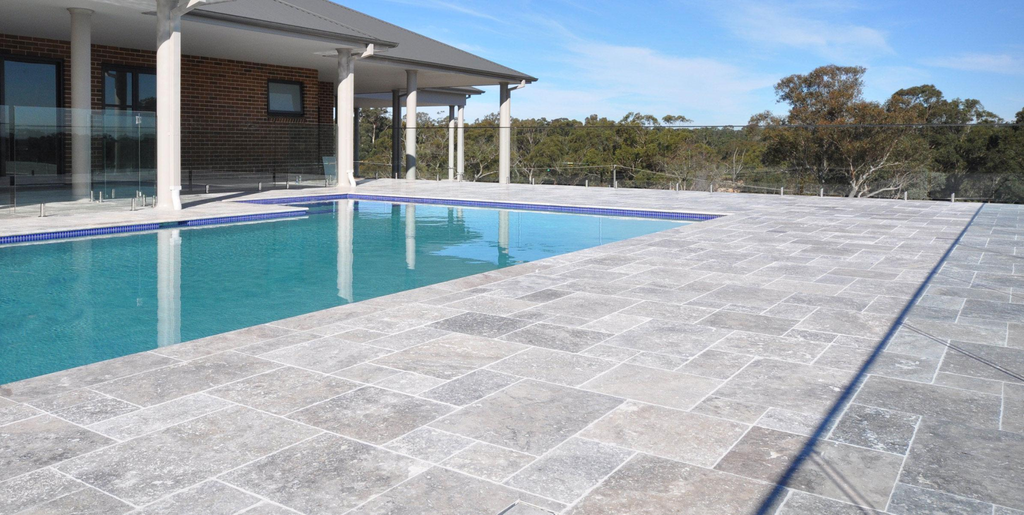
Before placing an order, take time to review the details that will affect the finished project. Request clear product information, including dimensions, thickness, finish, intended application and maintenance guidance. If possible, inspect a physical sample rather than relying entirely on online photographs. Natural stone can vary from one piece to another, and seeing the material in person makes it easier to judge its colour and texture.
It is also sensible to confirm stock availability and delivery arrangements before scheduling installation. Large projects may require substantial quantities, so consistency between batches can be important. If you are comparing suppliers, look beyond the initial quote and consider the quality of product information, customer support and suitability of the range for your project. A reliable purchasing decision starts with understanding exactly what is being supplied.
When comparing local options, travertine tiles sydney is a useful search phrase for exploring natural stone choices suited to residential renovation and outdoor paving projects. Take time to compare the available colours, finishes and formats, then match your selection to the area where it will be installed. A little planning at this stage can help avoid expensive changes later.
Conclusion
Travertine can bring warmth, texture and a timeless natural quality to Sydney homes. Whether it is used for an interior floor, a courtyard, an alfresco area or a pool surround, the right stone can help create a space that feels cohesive and inviting. The best results come from balancing appearance with practical considerations such as finish, thickness, slip resistance, installation and ongoing care.
Rather than choosing a product simply because it looks attractive in a photograph, consider how it will perform in your particular setting. Review samples, confirm technical details and work with an experienced installer. With thoughtful planning, travertine can become a lasting part of a home’s design rather than just another renovation feature.
Frequently Asked Questions
1. Is travertine suitable for Sydney homes?
Yes. Travertine can be used in many residential settings, including living areas, bathrooms, patios and selected outdoor spaces. The important step is choosing a product and finish that are suitable for the intended application.
2. What is the difference between natural travertine and travertine-look porcelain?
Natural travertine is a genuine stone with individual variations in colour and texture. Travertine-look porcelain is manufactured to recreate the appearance of the stone and generally has different maintenance and installation requirements.
3. Does natural travertine need sealing?
Natural travertine is porous, so sealing is commonly recommended to help reduce moisture absorption and staining. The correct sealer and maintenance schedule depend on the specific stone and where it is installed.
4. Can travertine be used around a swimming pool?
Certain travertine products are suitable for pool surrounds. Check the product’s recommended application, wet-surface slip performance and compatibility with the pool environment before purchasing.
5. How should I clean travertine tiles?
Use a soft broom or vacuum for loose dirt and a cleaner specifically recommended for natural stone. Avoid acidic or abrasive cleaning products, and follow the care instructions supplied for your particular travertine.